
Real import cases
Three complete operations coordinated by SICE for Chilean companies: what is at stake, how we sort it out and how it ends.
→ Importing industrial machinery from China to Chile
Shanghai → San Antonio · 40' FCL · Chile–China FTA regime
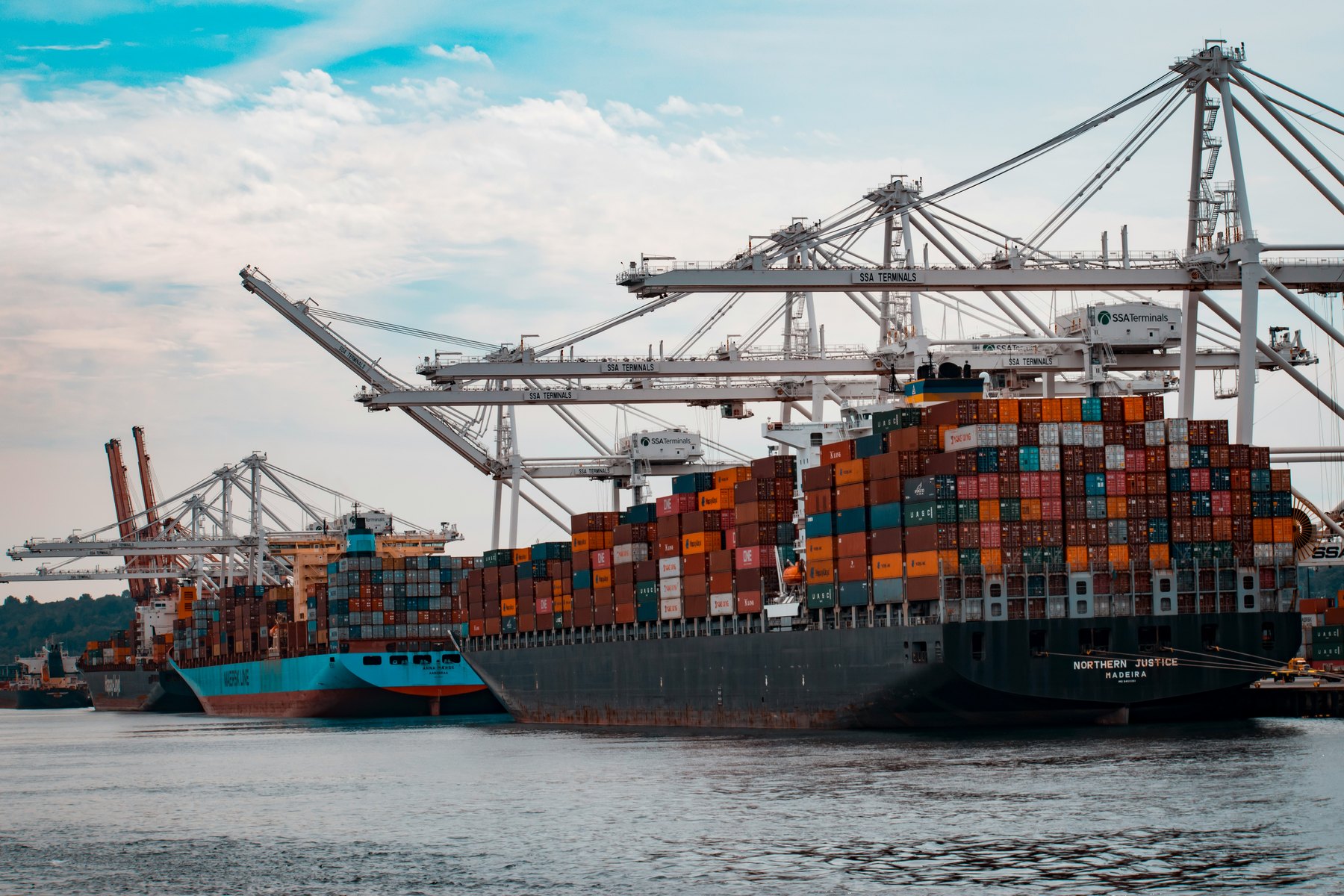
Bringing a machine from China almost never fails at sea. It fails at the seams. The importer books the freight with one company, customs clearance with another and the insurance on their own, and every point of contact loses a day. When the container arrives at San Antonio, no one is watching the free-time clock, and that is when the cost no one quoted starts to run.
A company importing a production line or a CNC machine moves, in practice, a 40' FCL container. Direct ocean transit from Shanghai to San Antonio runs between 18 and 35 days depending on the carrier, the route and transshipments, so serious planning works with a margin over that range, not with the optimistic number.
Where money is won or lost is the paperwork. Under the Chile–China FTA, machinery can enter at 0% ad valorem duty instead of the general 6%, but only if the certificate of origin matches the commercial invoice and the tariff code exactly. One wrongly copied detail and the preference falls through, with the full duty back in play. On top of that comes the 19% import VAT, and the fact that any cargo over US$1,000 FOB requires a customs broker to process the Import Declaration (DIN).
The other clock is the container's. Carriers grant a limited free time at destination, on the order of 5 days for dry cargo on import, and from the next day the daily demurrage starts running, plus the storage charged by the terminal at San Antonio. A late pickup is not an administrative nuisance, it is an invoice.
What we do is take the entire chain as a single operation. We review the documentation before shipment so the certificate of origin applies the FTA without surprises, we coordinate the cargo insurance and we handle the DIN with a customs broker while watching the free time to pull the container within the deadline.
In an operation coordinated this way, the container leaves the port within the free time, with no demurrage or excess storage costs. The 0% ad valorem applies thanks to a well-prepared certificate of origin, the VAT is processed without issues and the importer deals with a single point of contact from start to finish. Transit reference for planning: 30 to 35 days.
→ LCL consolidated cargo from Yiwu for retail
Yiwu → Valparaíso · LCL consolidated
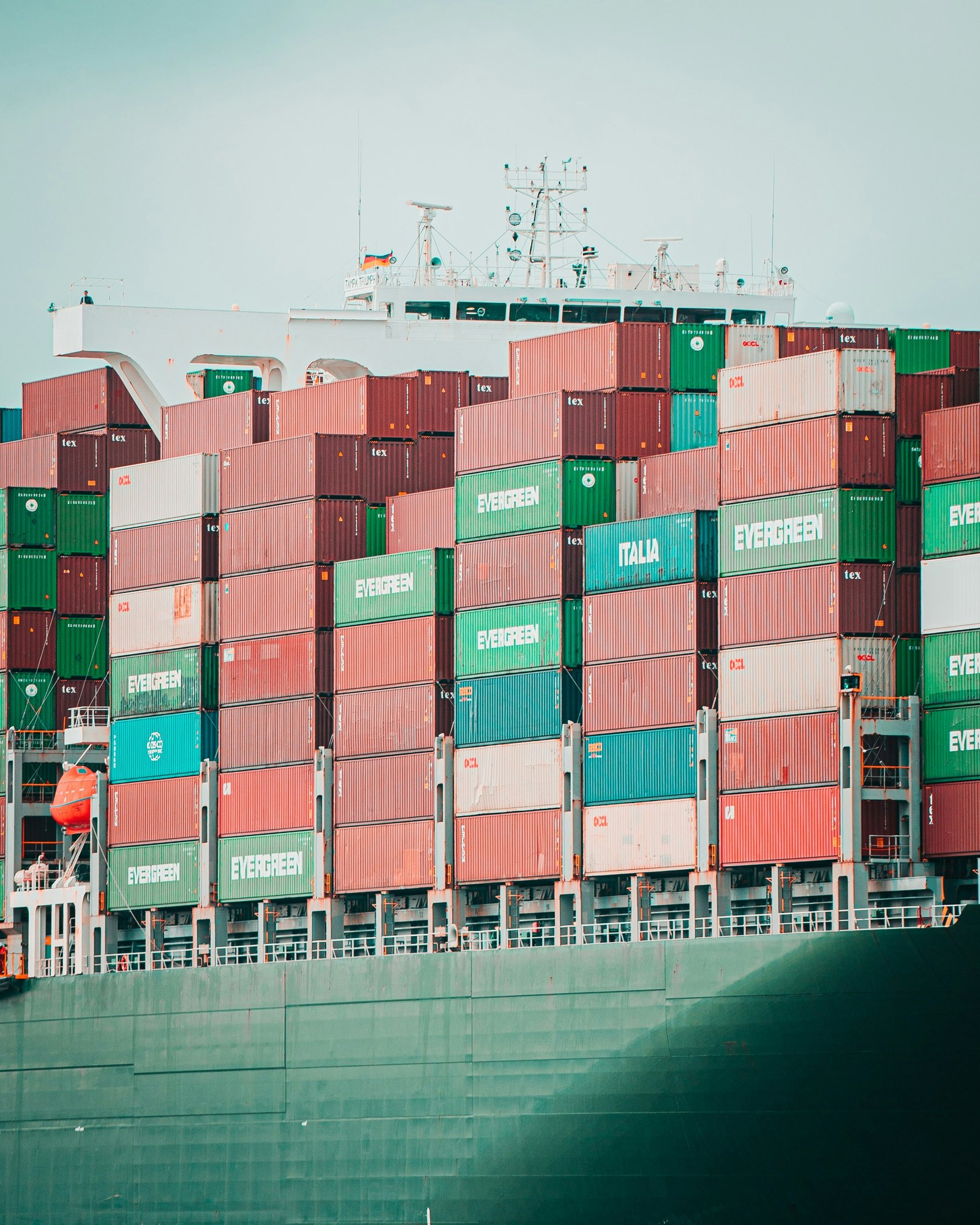
Small retailers buy in Yiwu because everything is there, but they buy a little from each supplier. Ten boxes from one, three from another, a pallet from a third. None of them fills a container, and if every purchase is quoted and coordinated separately, the importer ends up paying dearly to move volumes that, combined, don't even fill half a container.
LCL solves exactly that. Instead of renting a full container, you pay for the actual volume the cargo takes up, measured in cubic meters (CBM): length by width by height in meters. For light but bulky cargo a volumetric weight or a minimum chargeable unit may apply, so the calculation isn't always pure CBM.
The operational piece is the consolidation warehouse in China. There, the operator receives the cargo from all the suppliers, brings it together into a single export flow and dispatches it to Chile as one shipment. In practice, most consolidators set a limit on suppliers per shipment and a cut-off date: cargo that didn't reach the warehouse in time travels on the next one.
With several suppliers, documentary order is what holds the operation together. Each supplier provides its commercial invoice and its packing list, and if you want to apply the Chile–China FTA, its own certificate of origin. Ocean transit from China to Valparaíso moves within a wide range, between 18 and 60 days depending on the source and the routing, with a standard reference close to 30 to 45 days when the cargo first passes through a consolidation warehouse in Yiwu or Ningbo.
What we do is consolidate the cargo from all the suppliers in a warehouse in China and build a single LCL shipment. We price by the actual CBM, align each supplier's documentation before the cut-off and deliver a single proposal, instead of a separate quote for each purchase.
Six suppliers end up in one shipment and one quote. The importer pays for the volume it really takes up, not for a half-filled container, reduces coordination to a single contact and brings order to a process that used to live in scattered emails. Transit reference for planning: 30 to 45 days.
→ Importing dangerous goods (IMO) from Europe with no holds
Barcelona → Santiago (via San Antonio) · IMO / IMDG regime
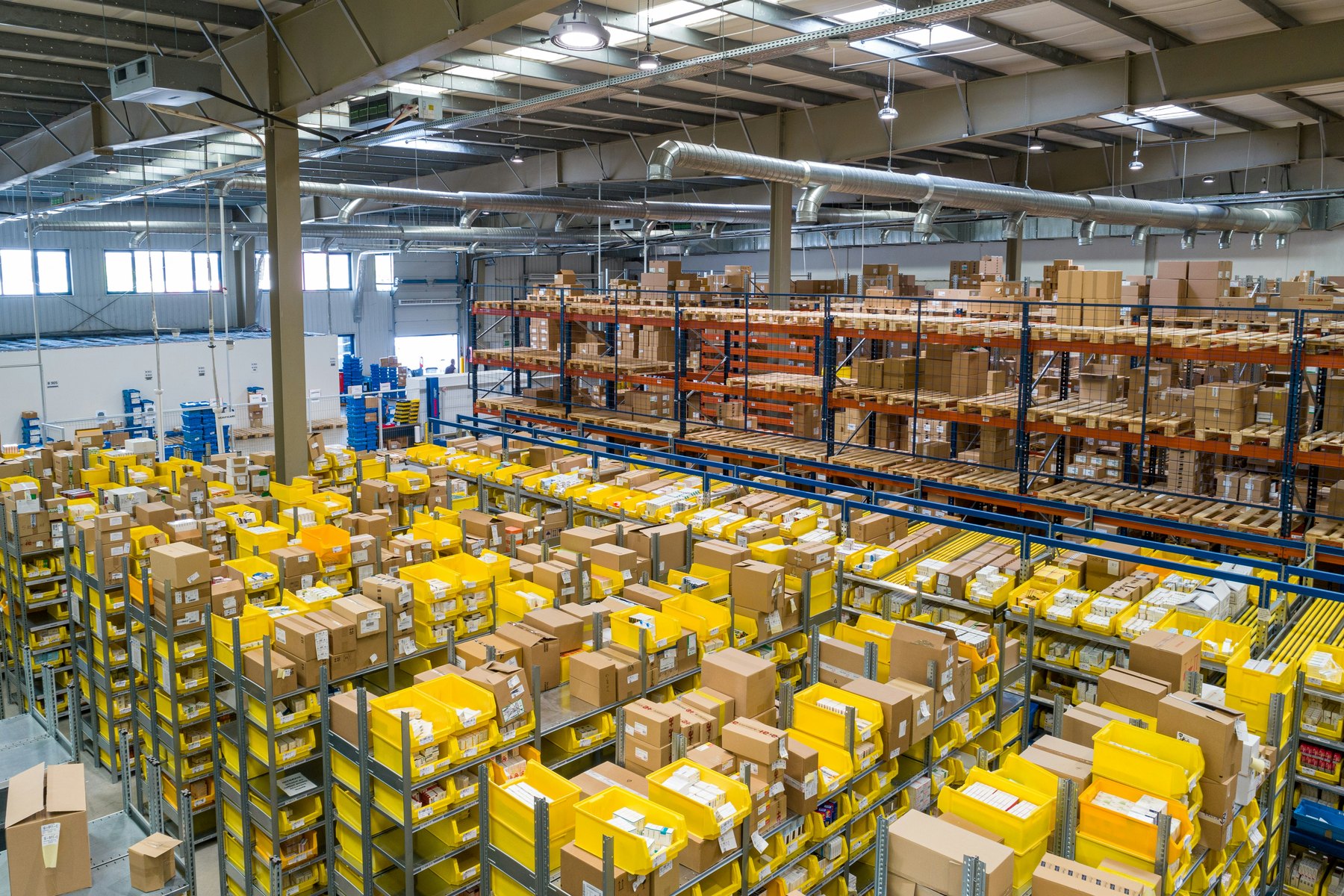
With dangerous goods, the risk isn't where people picture it. It isn't the sea. It's the classification, the paperwork and the warehouse. A class 3 product, a flammable, can travel halfway around the world without incident and still be held in Chile over a misdeclared detail or a warehouse that wasn't licensed to receive it.
The IMO/IMDG regime governs the ocean transport of dangerous goods, and it requires the cargo to be properly classified, packed, marked and declared before loading. The identifiers that matter are the hazard class, the UN number, the packing group, the technical name and the marking under IMDG. Before booking, the shipping line and the terminal have to confirm they accept that class and that type of packaging, because not all of them do.
On top of the usual documents (commercial invoice, packing list and bill of lading), the document file for an IMO shipment adds the dangerous goods declaration (DGD), the safety data sheet (SDS) and confirmation of the classification under IMDG. Without all of that aligned from origin, the cargo shouldn't even be loaded onto the ship.
In Chile, the storage of dangerous substances is governed by DS 43, and the warehouse where the cargo will be stored may need a health authorization from the SEREMI de Salud (regional health authority). That authorization looks at specific conditions: ventilation, emergency plan, fire-protection measures and the technical documentation of the facility. Bringing in the product isn't enough; the place where it is stored also has to comply. If the warehouse isn't licensed, the cargo can be held until the issue is resolved.
We start with the classification: IMO class, UN number and packing group. We review the safety data sheet, prepare the DGD and confirm with the shipping line and the terminal that they accept the class before booking. In parallel, we verify that the destination warehouse holds the health authorization for dangerous substances, so the cargo has somewhere to arrive on the day it arrives.
The cargo is released with no holds or fines and with no rejections at inspection. Documentation and packaging compliant with IMDG from origin, and storage in a licensed warehouse. Transit reference for planning: 30 to 40 days.
Does your operation look like any of these cases?
Tell us what you need to move and we'll show you how we would coordinate it. Start with a free complete quote.