A customer is pushing you, stock is running out and you have the order ready in China. Do you send it by ship and wait, or put it on a plane and pay more? Choosing the wrong freight is one of the mistakes that most quietly eats your margin: you pay air for something that could have waited, or you lose a sale because the ship arrives late. Here's the clear criterion to decide based on your cargo, not on the nerves of the moment.
The two variables that rule: time and volume
It all comes down to weighing two things: how long you can wait and how much space/weight your cargo takes.
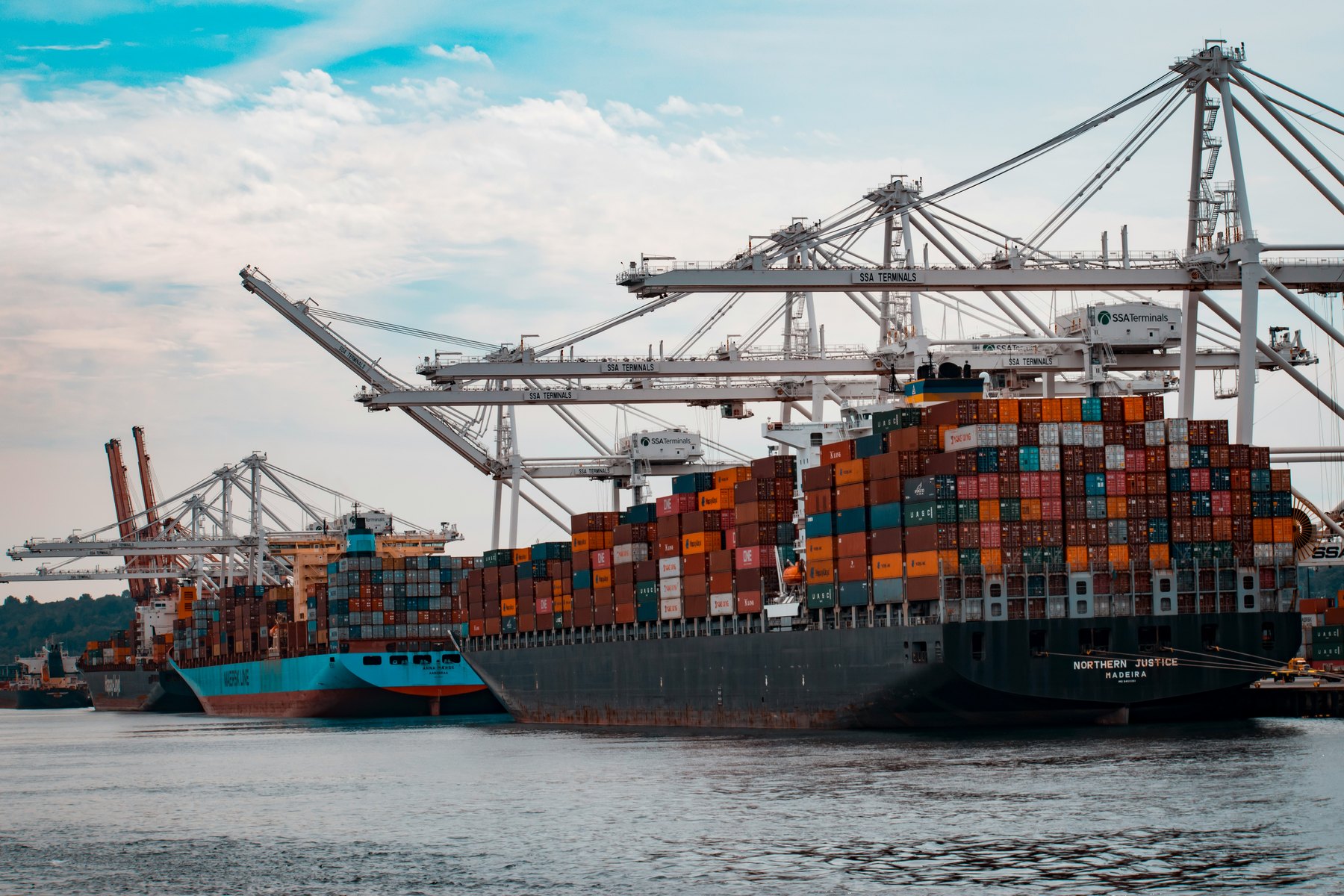
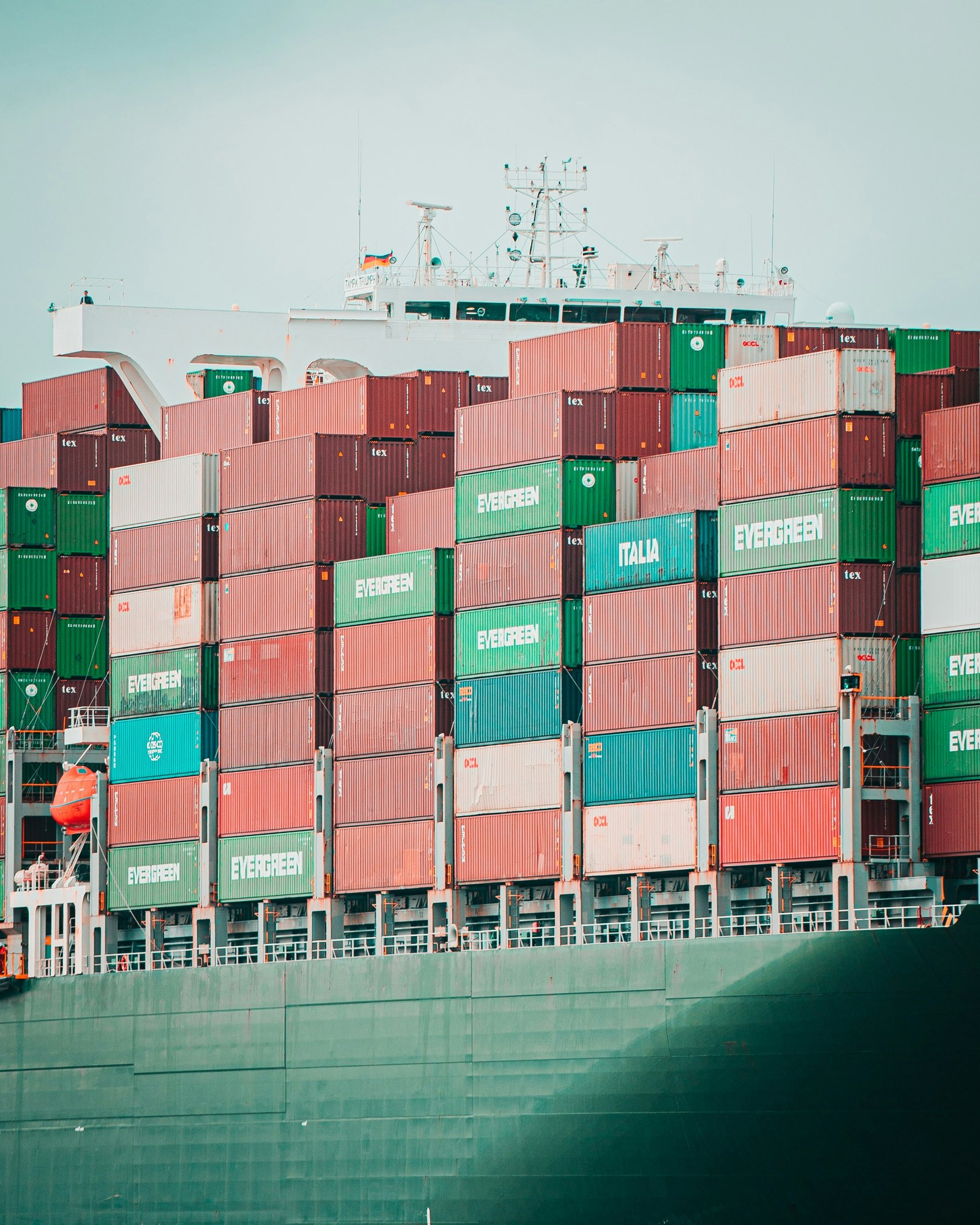
Ocean freight
- Time: roughly 25 to 35 days port to port on a direct route from China; with transshipment (for example, via Busan or Singapore), 35 to 45 days. Door to door, adding pre-shipment and clearance, it's usually 45 to 60 days.
- Cost: the cheapest mode by volume. Quoted per container (FCL) or per cubic meter (LCL).
- Ideal for: bulky or heavy cargo, planned stock, furniture, machinery, materials, products with predictable turnover.
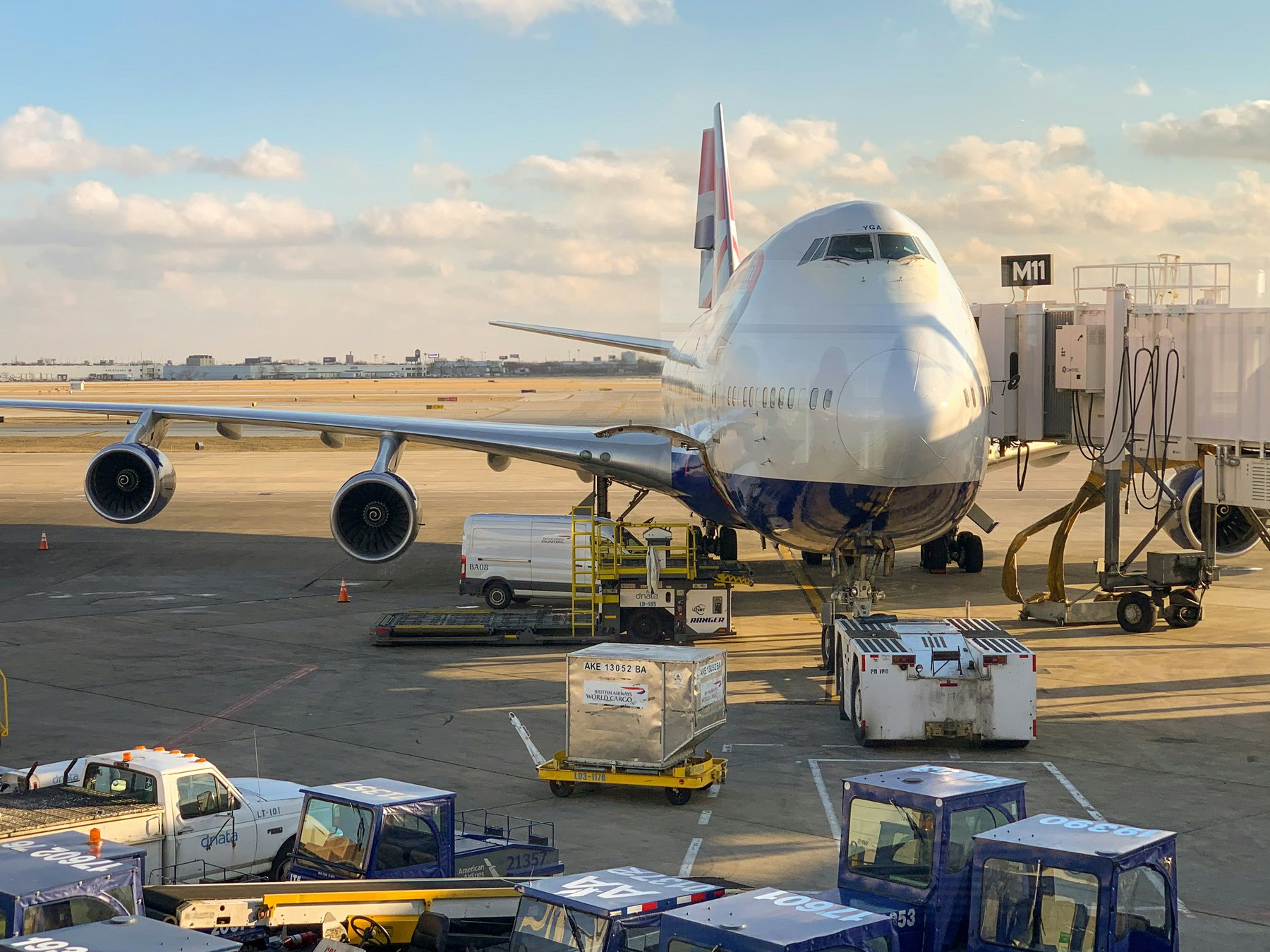
Air freight
- Time: 3 to 10 days door to door.
- Cost: several times more expensive per kilo; charged by weight (actual or volumetric).
- Ideal for: urgent needs, restocking stockouts, samples, high-value low-weight products, sensitive electronics, launches.
The rule of thumb
- If your cargo exceeds ~15 m³, ocean FCL almost always wins on cost per unit.
- If it's a small shipment, ocean LCL (consolidated) lets you pay only for the space you use.
- If the value per kilo is very high or time is critical, air freight is justified: the freight premium gets diluted in the product's value and you avoid losing the sale.
A good trick from experienced importers: a hybrid strategy. The bulk of the order by sea, and an urgent fraction by air to cover the stockout while the ship arrives. That way you don't pay air for everything or run out of stock.
What almost no one factors in
The "cheap" freight isn't the freight alone. Ocean comes with surcharges that show up later: THC (port handling), BAF (fuel), BL issuance, and — if you're slow to collect — storage and demurrage. Comparing only the base rate between ocean and air is comparing wrong. The right way is to compare the total cost delivered to your warehouse.
And there are seasonal factors: between August and October, and around Chinese New Year, Chinese ports get congested and transit times stretch. If your sale has a deadline, that has to be planned weeks in advance.
SICE's role in choosing the route
We don't sell "the cheapest freight" here. We choose the route that suits you by weighing your real urgency, your volume and your sale date, and we show it to you with the total cost, not just the base rate. Ocean, air or hybrid: one single quote, one point of contact who answers. You decide with the full number on the table.
Mini-FAQ
How much more expensive is air than ocean?
Several times more per kilo. That's why it only pays off when time is critical or the product's value per kilo is high.
Does air freight also pay tariff and VAT?
Yes. The transport mode doesn't change the duties: tariff and VAT apply on the CIF value just as by ocean. What changes is the freight component within the CIF.
Can I combine ocean and air on the same order?
Yes, and often it's the best call: ocean for the bulk, air for what's urgent.
Ready to stop coordinating on your own?
With SICE, a single person coordinates freight, insurance, customs and transport, and answers for the deadlines. Start with a free complete quote.
With SICE, a single person coordinates freight, insurance, customs and transport, and answers for the deadlines. Start with a free complete quote.